


Exhaust Repair

Logbook servicing is maintenance performed strictly according to your vehicle manufacturer's service schedule, with every service recorded in your car's service logbook (or digital equivalent). This isn't a choice between different types of work—it's about following a specific timeline and checklist set by the manufacturer, whether that's every 10,000 km, 15,000 km, or as specified in your handbook.
Standard servicing, by contrast, is often a more flexible approach where a mechanic performs routine maintenance based on general industry practices and the vehicle's condition, rather than a manufacturer-mandated schedule. While standard servicing keeps your car running, it doesn't necessarily tick all the boxes the manufacturer requires.
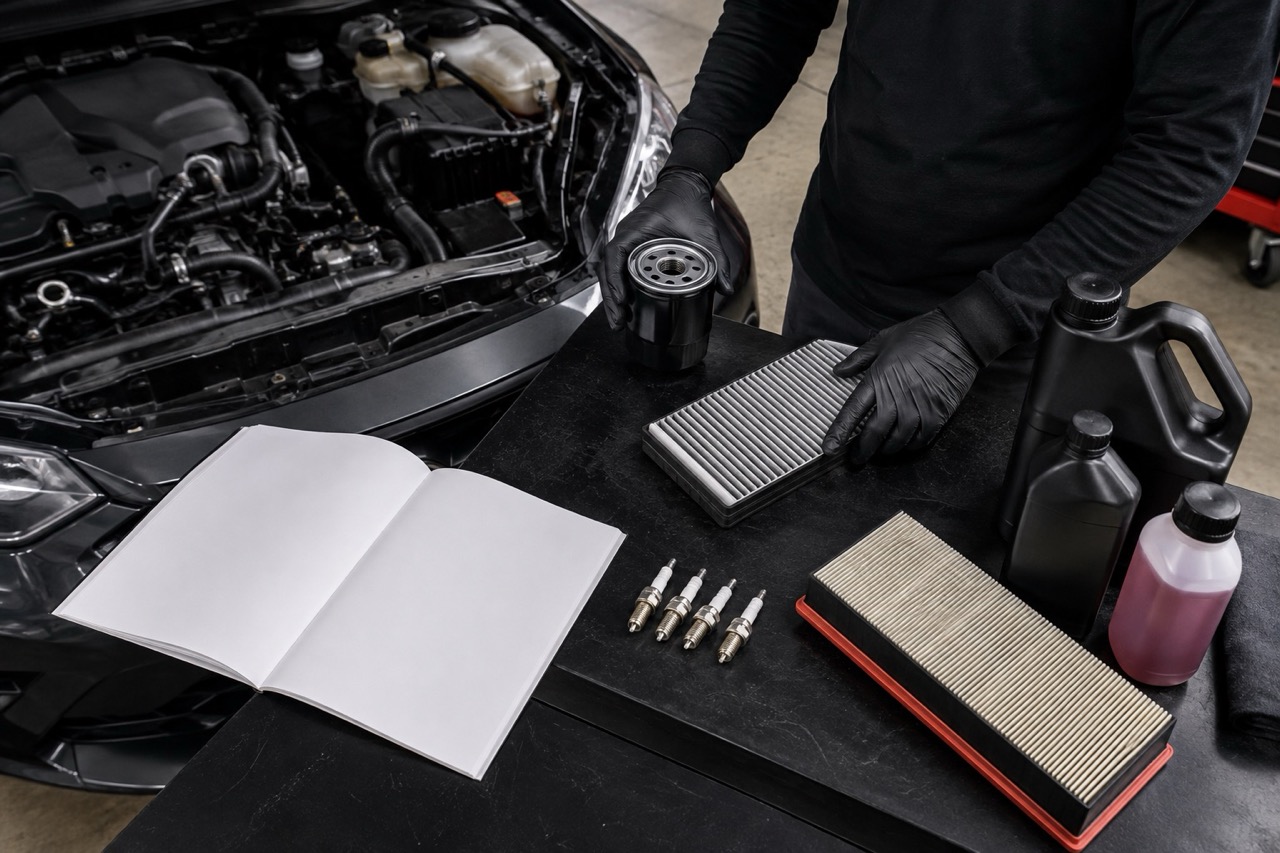
Here's where logbook servicing becomes crucial: most vehicle manufacturers require you to follow their service schedule to maintain your warranty. If something goes wrong and you haven't kept up with logbook servicing, you could find the dealer refuses to cover the repair under warranty—even if the fault isn't related to the missed service.
For Tasmanian drivers buying new or nearly-new vehicles, this is a significant protection. Warranty claims on engine repairs, gearbox work, or other major components can easily run into thousands of dollars. Missing a single logbook service could put you on the hook for the full cost. Standard servicing, while good for general upkeep, won't protect you if the manufacturer has specific requirements.
When you come to sell your car, a complete logbook service history is one of the first things potential buyers and valuers check. A vehicle with every scheduled service completed and documented tells buyers that the car has been properly maintained according to the manufacturer's specifications—and that's worth real money at trade-in or private sale.
A car with spotty or non-standard servicing records raises red flags, even if the mechanicals are sound. Buyers worry about hidden problems, and dealers often reduce their offers for vehicles without proper logbook records. In Tasmania's regional market, where word-of-mouth and trust matter, a full service history can be the difference between a quick sale and a car that sits on the lot.
The practical difference between logbook and standard servicing often comes down to specifics. A logbook service requires the mechanic to follow the manufacturer's exact checklist—which might include checking particular fluid levels, replacing specific filters at set intervals, inspecting components the manufacturer deems critical, and sometimes performing software updates or resets.
A standard service might skip some of these steps, focus on what's visibly worn, or space out certain checks differently. For example, logbook servicing at 60,000 km might include a transmission fluid check that a standard service wouldn't require until 100,000 km. At Berklee Exhaust & Automotive, we keep detailed records and follow manufacturer schedules precisely—ensuring your vehicle stays compliant with warranty requirements and maintains its resale value throughout its life.

Designed & Developed by CJ Digital