


Exhaust Repair

Tasmania's Northern region, particularly around Launceston, experiences some of Australia's most severe winter conditions, with temperatures frequently dropping below freezing and sudden swings from mild days to bitter cold nights. These dramatic temperature fluctuations place enormous strain on your vehicle's cooling system, which must work harder to regulate engine temperature in extreme cold. The coolant itself becomes thicker in freezing conditions, reducing its ability to circulate efficiently and putting extra pressure on your water pump and hoses.
The freeze-thaw cycle is particularly damaging in Launceston's climate. When temperatures plummet overnight, any moisture or weak points in your cooling system can freeze, potentially causing cracks in the radiator or splitting hoses. Conversely, when temperatures spike during the day, the system expands rapidly, compounding the stress. Without proper preparation, your cooling system can fail without warning, leaving you stranded on Tasmania's rural roads far from help.
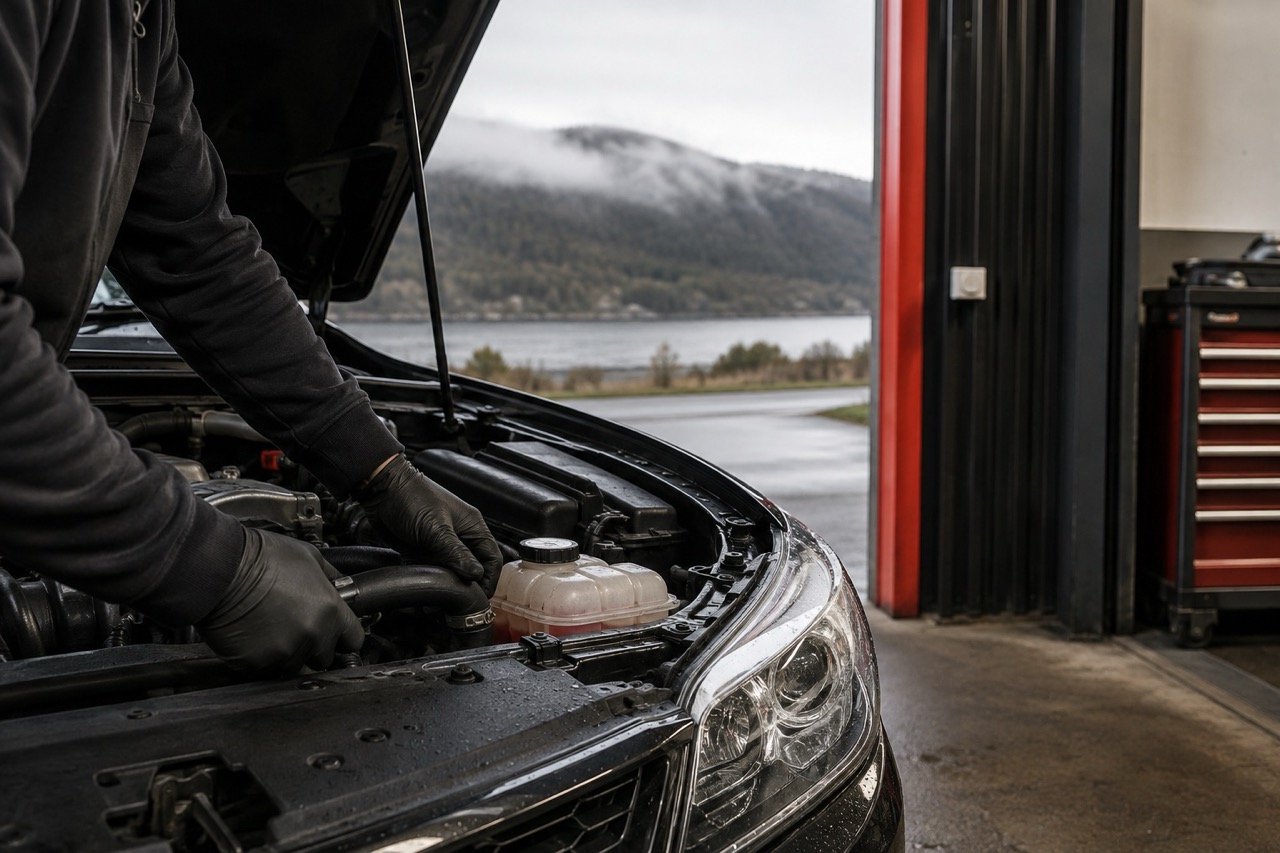
Before Launceston's winter arrives, have your radiator professionally inspected for corrosion, leaks, and structural integrity. Your radiator's ability to dissipate heat is crucial year-round, but in cold weather, a compromised radiator becomes a liability. At Berklee Exhaust & Automotive, we recommend a full radiator flush and refill with winter-grade coolant that's specifically formulated for Tasmania's sub-zero temperatures. Standard coolant may freeze at the temperatures Northern Tasmania regularly experiences, causing catastrophic engine damage.
Check your coolant level when the engine is cold—never when hot, as the system is pressurised. Your coolant should reach the minimum mark on the expansion tank, and the colour should be consistent (typically green, orange, or pink depending on your vehicle). If you notice a significant drop in coolant levels, this signals a leak that requires immediate attention. Leaks are common in older hoses and connections, and winter will only accelerate the damage. Have any leaks traced and repaired before the cold season hits.
Your cooling system's hoses and belts are among the first casualties of Tasmanian winter. Cold temperatures make rubber brittle and inflexible, while freeze-thaw cycles create micro-fractures that eventually lead to catastrophic failure. Upper and lower radiator hoses, bypass hoses, and heater hoses should be visually inspected for cracks, bulges, or signs of hardening. Press on hoses gently—they should feel firm but slightly yielding, not hard or mushy. Any hose older than five years is at high risk of failure and should be replaced proactively.
The serpentine belt, which drives your water pump, becomes increasingly critical in winter. A failed belt means your coolant stops circulating, and your engine will overheat within minutes—especially damaging in cold conditions where the temperature differential causes rapid thermal stress. Have your belts inspected for fraying, cracks, or glazing, and ensure proper tension. Don't overlook thermostat function either; a stuck thermostat can prevent coolant circulation, leading to either overheating or inadequate cabin heating.
Establish a winter maintenance routine starting in March or April, before Launceston's coldest months arrive. Schedule a comprehensive cooling system inspection that includes radiator condition, coolant concentration and pH, hose integrity, belt tension, and thermostat function. At Berklee Exhaust & Automotive, our Vehicle Inspections specifically assess seasonal vulnerabilities, ensuring your cooling system is battle-ready for Tasmania's frosty weather. We'll also top up your windscreen washer fluid with winter-grade concentrate, as visibility issues compound mechanical failures during emergencies.
Throughout winter, monitor your temperature gauge during drives—it should stabilise quickly after starting and remain steady during normal driving. If you notice the gauge creeping up or down unexpectedly, or if you see steam from under the bonnet, stop safely and allow the engine to cool before investigating. Keep a spare coolant bottle in your vehicle during winter, along with jumper leads and a basic tool kit. Northern Tasmania's rural roads can be isolated; being self-sufficient could prevent a minor issue from becoming a dangerous situation.

Designed & Developed by CJ Digital